Old wiring that needs sorting — we'll tell you what's actually needed.
A full rewire is a significant job, and not one we'll recommend unless it's genuinely required. We assess what's there, give you an honest picture, and carry out the work to a standard that won't need revisiting.
When does wiring actually need replacing?
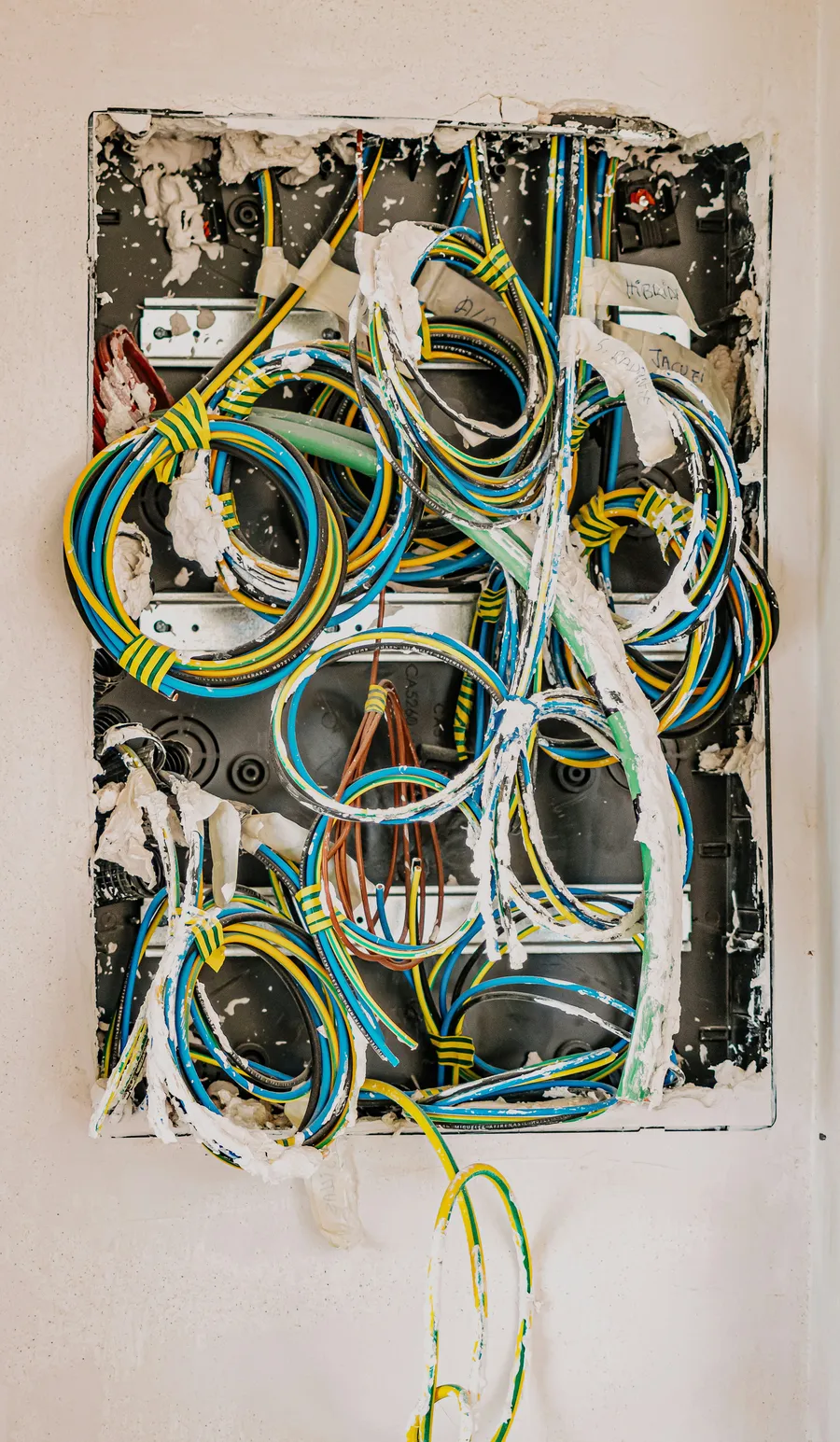
Electrical wiring has a lifespan. In most properties built before the 1970s, the original wiring is either approaching the end of that lifespan or already past it. The signs are sometimes obvious — scorch marks around sockets, a persistent burning smell, breakers that trip without explanation. Often they're subtler: wiring covered in rubber rather than modern insulation, round-pin sockets, or a fuse board with no RCD protection.
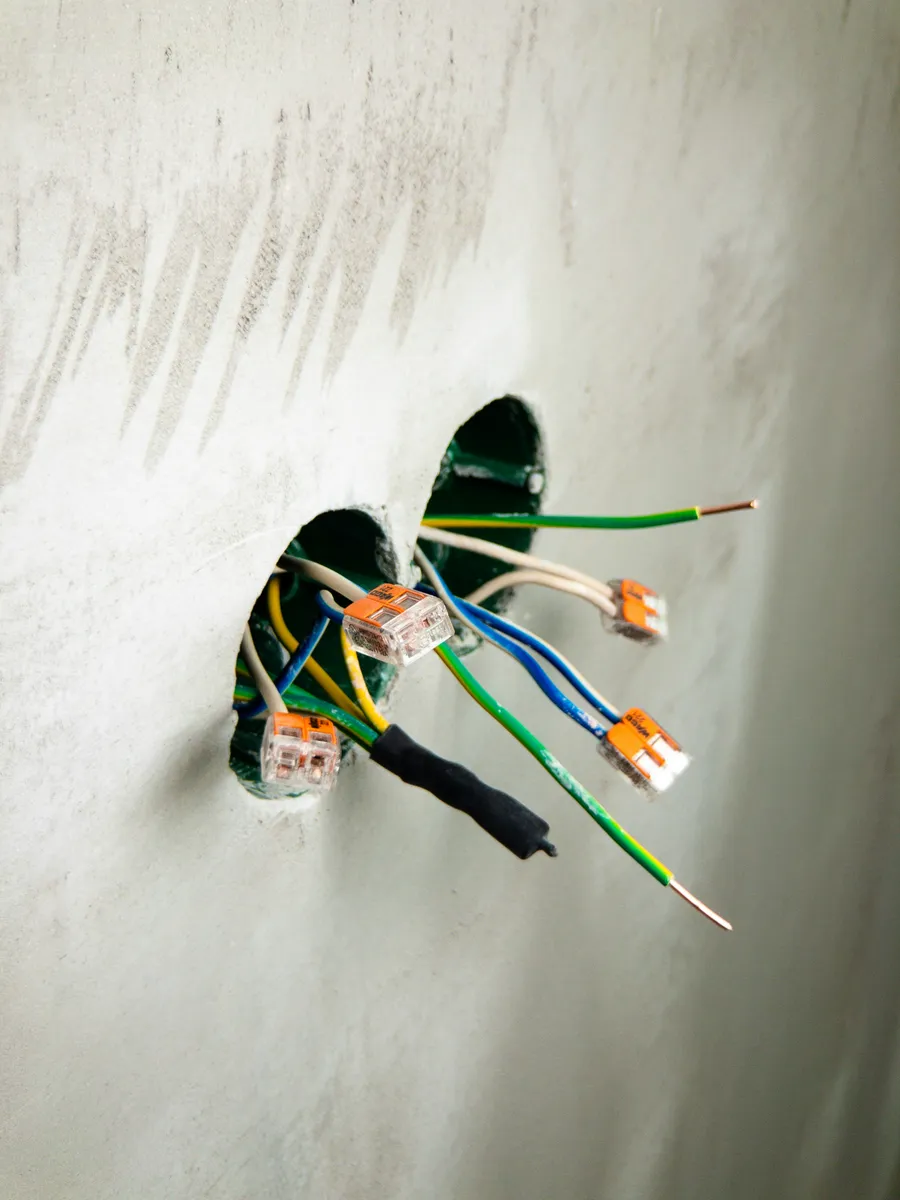
A partial rewire addresses specific circuits — the kitchen, for example, or an extension — while leaving the rest of the installation intact where it's in good condition. A full rewire replaces everything: all cables, sockets, switches, and the consumer unit.
The right answer depends on what's actually there. We'll assess the installation, tell you what's needed, and give you a clear recommendation. If a partial rewire is sufficient, that's what we'll say.
What to expect from Nursteed
Why Nursteed
We won't recommend a full rewire unless it's genuinely needed — and we'll show you why we've reached that conclusion.
Fixed price agreed before work starts. Rewires don't have to come with open-ended costs.
Fully certified and notified to Building Control. No additional steps required from you.
Experienced across a range of property types — Victorian terraces, period homes, modern builds, extensions.
Covering Bath, Wiltshire, Somerset and surrounding areas.
Who this is for
Owners of pre-1970s properties with original wiring still in place
Anyone whose EICR has recommended rewiring — in whole or in part
People buying an older property and wanting it sorted before moving in
Landlords managing properties where the wiring hasn't been updated in decades
Anyone planning an extension or significant renovation that requires new electrical circuits
Common questions
How do I know if my property needs a rewire?
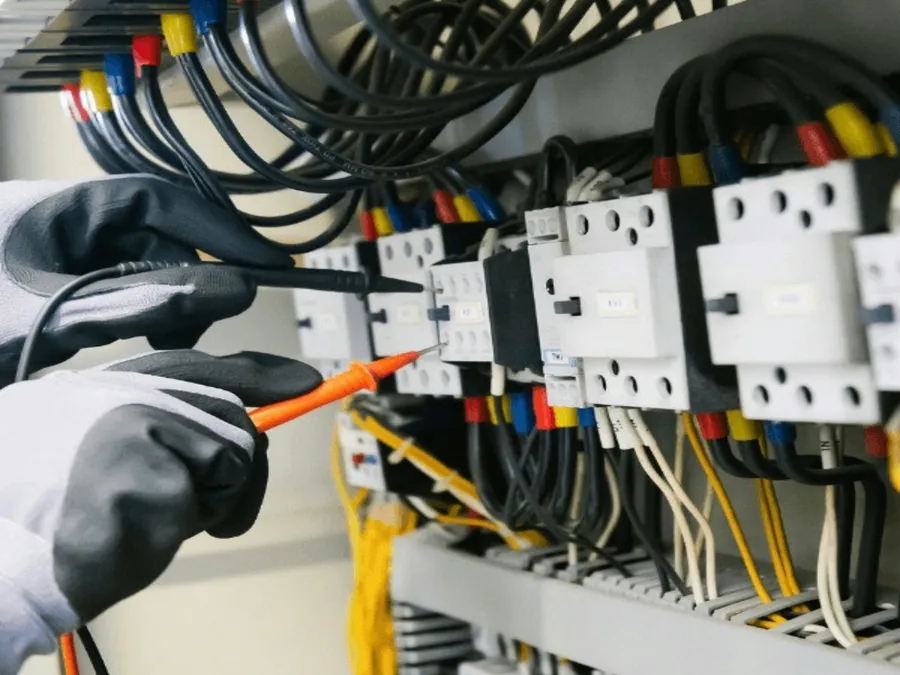
The most reliable way is an EICR — an Electrical Installation Condition Report. This gives a detailed picture of the condition of the wiring and identifies anything that needs attention. If you're unsure, we can carry out the test and give you a clear report.
Can I stay in the property during a rewire?
In most cases, yes. We plan the work to keep disruption manageable and ensure at least partial power is maintained where possible. For larger properties, this is discussed and agreed as part of the programme before we start.
How long does a full rewire take?
It varies significantly by property size and condition. A typical three-bedroom house takes between three and five days. We'll give you a realistic estimate during the site visit.
Will a rewire make a mess?
Some level of decoration will be needed afterwards — cables run through walls, which means some plasterwork. We keep this to an absolute minimum and tidy up as we go. Decoration after electrical work is standard and expected; we'll talk you through what to expect before we start.
What's the difference between a full rewire and a partial rewire?
A full rewire replaces all of the cables, sockets, switches and the consumer unit throughout the entire property. A partial rewire replaces specific circuits — a kitchen, an extension, or an area where the existing wiring is no longer adequate. If only certain parts of the installation are problematic, a partial rewire is often the right answer.